How to Fix Common Humidor Problems
A well tuned humidor protects both your cigars and your cigar lounge’s reputation. Dry, cracked cigars or cigars that don’t stay lit can guarantee a first-time customer doesn’t buy from you again. When humidity or temperature slip out of range, you can fix most issues quickly by understanding what is really going on and taking action quickly.
When Your Humidor Is Too Dry
If your cigars feel brittle, crack when you cut them, or burn too hot and fast, your humidor is probably running too dry. For buyers at home, the first step is to verify the actual humidity with a reliable hygrometer, not just by feel. If the reading is low, recharge or replace your humidification device, add a second unit if the humidor is large, and avoid leaving the lid open for long periods. Re seasoning the interior with a light wipe of distilled water and placing a bowl of distilled water inside for 24 to 48 hours can help wood that has completely dried out.
For lounge owners, low humidity is often a sign that your system is undersized, overworked, or not sealed properly. Check door gaskets, glass panels, and any points where air might be leaking. Train staff to minimize how long the humidor stays open during busy periods, and if you’re noticing a problem, establish a daily log for humidity and temperature readings (or even better, get a system that does it automatically). This makes it easier to spot trends before cigars are damaged and ensures any corrections are done intentionally.
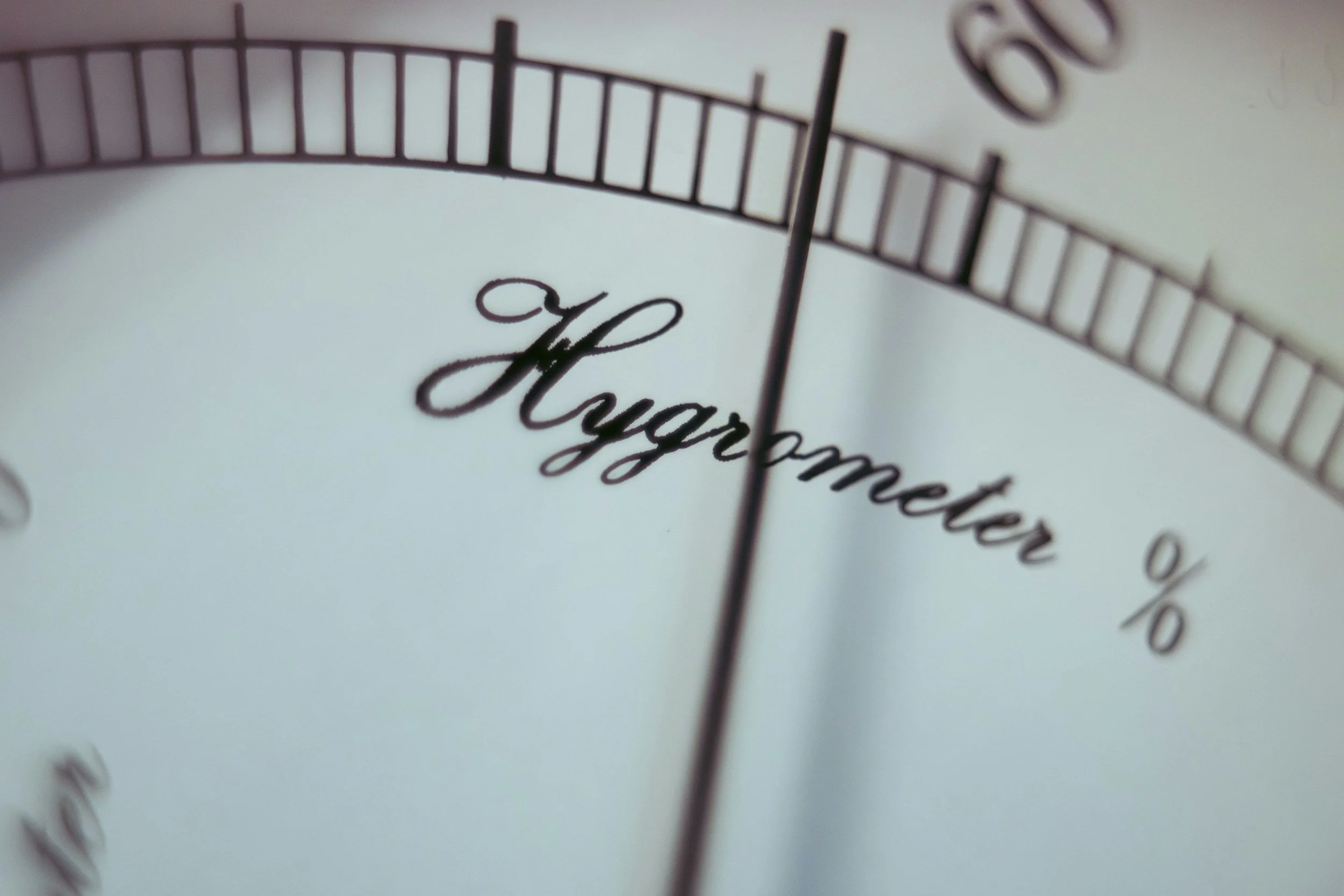
When Your Humidor Is Too Wet
Overly wet cigars feel spongy, may swell or split, and often burn unevenly or struggle to stay lit. For home users, if your hygrometer shows readings significantly above your target range, remove or reduce humidification sources and leave the humidor slightly open for short periods to let excess moisture escape. Rotate cigars gently so the same sticks are not pressed against any particularly damp spots, and avoid storing humidors in cool, damp environments like basements.
Lounge owners face added risks when humidity runs too high, including mold growth and cigars that simply will not perform well for guests. If your system is over-humidifying, dial it back and verify the humidifier’s calibration. Make sure your humidor has adequate air circulation so moisture does not collect in dead zones or corners. Regular inspections of shelves, boxes, and corners for any early signs of mold allow you to take corrective actions quickly rather than discovering a widespread issue and losing a lot of product later.

Dealing with Mold, Plume, and Odd Smells
One of the most alarming issues is seeing white or green growth on cigars or wood. For buyers at home, it is important to distinguish between harmless crystalline plume (or bloom), which tends to be fine and powdery, and fuzzy mold that penetrates the wrapper and spreads. When in doubt, treat it as mold and remove affected cigars immediately. Clean the interior with a dry cloth and a very light application of isopropyl alcohol if needed, then let the humidor air out thoroughly before reintroducing cigars.
Lounge owners must be even more cautious. Any mold in a retail humidor can damage inventory and trust. Establish a clear protocol: isolate affected boxes, inspect neighboring stock, and document what you discard. Address root causes by reviewing humidity, air circulation, and cleaning routines. Off smells, such as chemicals, perfume, or stale air, usually point to contamination from non cigar items or poor ventilation. Keep humidors dedicated to cigars only, and schedule regular deep cleans to maintain a neutral, cedar forward aroma. If a particular box has been notably affected, it could be worth reaching out to that brand’s rep to inform them of the issue so they can check up on other accounts. If it’s a them problem, you may be able to recoup the cost of that lost stock.
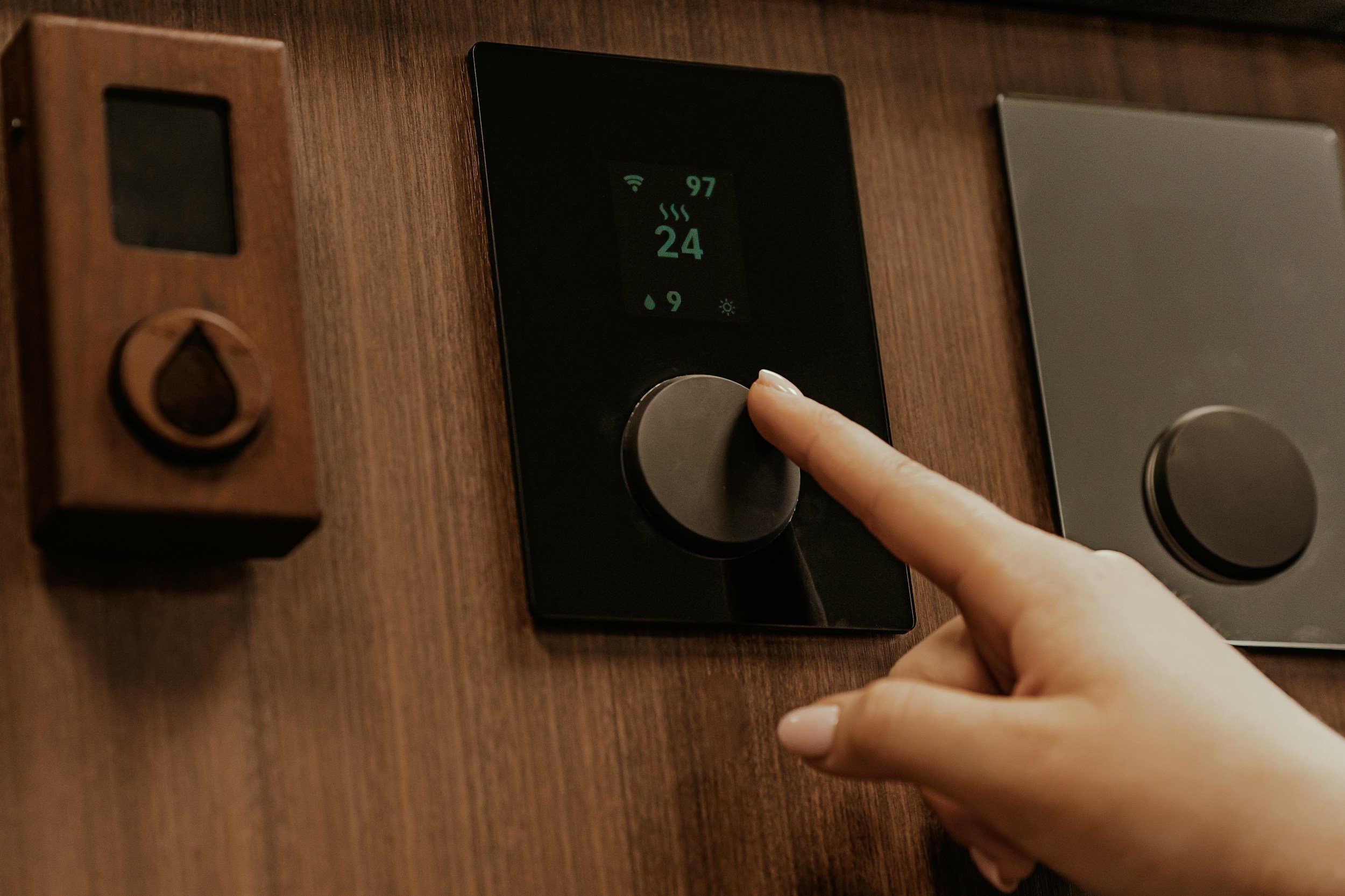
Fixing Temperature Swings and Fluctuations
Even if humidity looks right, high temperatures can ruin cigars and encourage tobacco beetles. Home buyers should avoid placing humidors near windows, radiators, vents, or electronics that throw off heat. Aim for a cool, stable spot, and remember that small desktop units are more sensitive to room changes than large cabinets. If your climate is hot, consider a temperature controlled unit or store only a modest number of cigars at home so you can rotate stock more frequently.
For lounge owners, temperature management is part of your professional operation. Large cabinets or walk in humidors should be positioned away from direct sunlight and HVAC blasts. Use dedicated climate control where possible, and monitor both temperature and humidity throughout the day and across all seasons. Consistent readings reassure you that your cigars are stored properly, which helps build trust with your guests. When swings do happen, adjust gradually rather than chasing numbers with drastic changes that stress the cigars further.
Calibration, Maintenance, and Prevention
Many “problems” start with inaccurate tools. Whether you are a home buyer or a lounge owner, calibrating your hygrometers regularly is essential. A simple salt test or comparison against a trusted reference unit can reveal if your readings are off by several points. Once you know your instruments are honest, you can trust your adjustments.
Routine maintenance prevents most headaches. Replace or refill humidification devices on schedule, rotate stock so older cigars are sold first, and avoid constantly opening and closing the humidor just to “check” it. Lounge owners should create written standard operating procedures for humidor care and train every staff member who enters the humidor. Buyers at home can adopt a simple checklist: weekly visual checks, monthly calibration checks, and seasonal adjustments when household heating or cooling changes.

How Cigar Lounge Success Can Help
For cigar lounge owners, humidor issues are not just technical problems, they are business risks. Poor storage leads to returns, complaints, and damaged reputation. Cigar Lounge Success can help you evaluate your current humidor setup, identify weak points, and design systems for monitoring, maintenance, and staff training that keep your cigars in ideal condition.
If you want to turn your humidor from a source of stress into a point of pride, schedule a consultation to review your equipment, layout, and procedures. Visit CigarLoungeSuccess.com to get started.
FAQs About Fixing Common Humidor Issues
Why does my humidor never seem to reach the right humidity?
Often it has not been properly seasoned, the seal is weak, or the humidification device is undersized. Re season the interior, verify your hygrometer, and ensure you are using a system appropriate for the humidor’s size.
Can I save cigars that have dried out?
You can often bring them back slowly by stabilizing the humidor at a slightly lower humidity and gradually raising it. Rushing the process can cause cracking. Severely dried cigars may never fully recover in flavor, but many can still become smokable.
What should I do if I find mold?
Remove affected cigars immediately, inspect the rest carefully, clean the interior, and correct humidity and airflow issues. In a lounge, document losses and update your maintenance routine to prevent recurrence.
How often should I calibrate my hygrometer?
Checking calibration every few months is a good habit, and any time readings start to behave unexpectedly, test again. Accurate measurements are the foundation of solving and preventing humidor problems.
Is a fancier humidor always better?
Not necessarily. A simple, well sealed humidor with properly sized humidification and a calibrated hygrometer is far better than an expensive showpiece with poor function. Focus on performance first, appearance second.
If you are a lounge owner facing persistent humidor challenges, reach out to Cigar Lounge Success and let’s design a reliable storage strategy that protects your inventory and keeps your customers coming back.